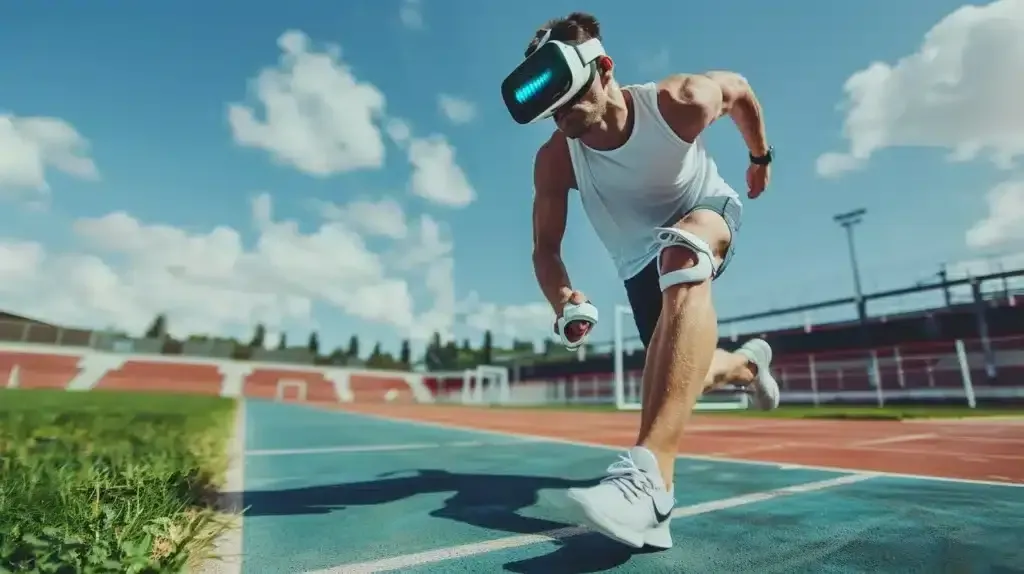
Sports technology is reshaping how athletes train, compete, and recover. From wearables in sports to AI in training, data is turning coaching into evidence-based practice. This is why the future of athletic training technology is increasingly defined by precise measurement, real-time feedback, and objective performance insights. By translating movement, physiology, and training load into actionable plans, teams can push performance while reducing injury risk. In this introductory overview, we explore how athlete performance analytics shape modern preparation and what it means for amateurs and pros alike.
Another way to frame this field is digital sports science, where intelligent sensors monitor biomechanics, physiology, and training stress. Smart wearables, biometric trackers, and camera-based analytics feed predictive models that anticipate fatigue and performance shifts. This approach relies on data-driven coaching, machine learning, and performance tracking to tailor programs for individual athletes. Remote monitoring, cloud-enabled analysis, and privacy-focused edge computing expand access while keeping insights actionable for coaches and players. Ultimately, the vocabulary shifts from gadget talk to integrated systems—sports data analytics, biometric insights, and adaptive training paradigms—that drive safer, smarter development.
Sports technology: Transforming training with wearables and AI
Sports technology is redefining how athletes train by integrating wearables, AI-driven analytics, and connected data platforms. This ecosystem delivers a 360-degree view of performance, from heart rate and velocity to movement efficiency and recovery status, making it easier to tailor workouts to the individual. Wearables in sports have evolved from simple counters to biomechanical sensors that quantify load, technique, and readiness in real time.
By combining wearables with AI in training, coaches can translate raw signals into actionable plans, monitor risk, and adjust momentum in real time. This convergence fuels sports data analytics that support evidence-based decisions on practice design, load management, and recovery optimization. The outcome is a more precise, personalized approach to training centered on athlete performance analytics.
Wearables in Training: Real-time metrics and biophysical insights
Wearables in Training capture heart rate, GPS-derived workload, and limb kinematics; these devices provide real-time feedback during sessions and help quantify training stress and readiness.
Beyond performance, wearables support recovery by tracking sleep, resting heart rate, and indicators of fatigue. Combined with subjective assessments, these data streams inform pacing, technique adjustments, and safe return-to-play decisions, all feeding into athlete performance analytics.
AI in Training: From signals to personalized practice plans
Artificial intelligence turns multi-source data into predictive insights, including injury risk forecasts and adaptive load prescriptions. AI in training enables coaches to anticipate fatigue patterns and tailor sessions before signs of overreach appear.
Computer vision paired with wearable signals enhances technique analysis and creates objective feedback loops for running, jumping, or swimming strokes. These AI-driven assessments contribute to athlete performance analytics by modeling how individuals respond to different stimuli.
Athlete Performance Analytics: Turning data into action
Performance analytics platforms synthesize metrics from wearables, video, and physiological sensors to reveal patterns and guide coaching decisions. The language of sports data analytics becomes a common vocabulary for training staff and athletes alike.
Clear dashboards translate complex data into practical targets, enabling athletes to focus on technique, pacing, and fatigue management with confidence. This data-informed approach helps teams align on goals and measure progress over time.
Future of Athletic Training Technology: Trends and innovations
Future of athletic training technology is being shaped by trends like digital twins, computer vision-enabled analytics, and remote coaching powered by edge AI.
As devices become more affordable and interoperable, organizations can deploy scalable programs while addressing data privacy and governance to maintain trust.
Data-Driven Load Management for Injury Prevention
Data-driven load management relies on integrated streams from wearables and analytics to balance stimulus and recovery for each athlete.
Sports data analytics underpin decision making for training volumes, fatigue monitoring, and injury prevention, helping staff adjust plans before issues arise.
Frequently Asked Questions
What is sports technology and how do wearables in sports improve training outcomes?
Sports technology refers to digital tools, sensors, and analytics that monitor and optimize athletic performance. Wearables in sports provide real-time data on heart rate, movement, load, and recovery, enabling data-driven training adjustments and early detection of fatigue or risk.
How does AI in training enhance athlete performance analytics?
AI in training translates sensor data into predictive insights and enhances athlete performance analytics. By combining training load, sleep, mood, and movement data, AI helps tailor personalized programs that balance adaptation with recovery to improve results.
What is the role of athlete performance analytics in shaping the future of athletic training technology?
Athlete performance analytics turns raw data into actionable insights for technique refinement, pacing, and recovery. As adoption grows, analytics enable scalable monitoring across athletes, guiding smarter decisions and advancing the future of athletic training technology.
How can sports data analytics support load management and injury prevention?
Sports data analytics integrate metrics from wearables, GPS, and video to quantify training load and recovery. This enables proactive adjustments, early warning signs of overtraining, and targeted interventions to reduce injury risk.
What are the key challenges when adopting wearables in sports technology?
Key challenges include data privacy and governance, device interoperability, and data quality. Establishing ownership, access rules, calibration standards, and reliable data pipelines is essential for trustworthy insights.
What trends define the future of athletic training technology and AI-guided coaching?
Emerging trends include hyper-personalization through AI, computer vision analytics, digital twins that simulate training outcomes, and remote coaching. Alongside these, responsible innovation and privacy safeguards will shape how teams deploy sports technology.
| Aspect | Key Points |
|---|---|
| The Rise of Sports Technology | From niche gadgetry to mainstream; data sources include wearables, GPS/IMUs, and sensors; enables personalized training by analyzing load, movement, and recovery; combined with video analytics to reveal inefficiencies and early signs of overtraining, guiding precise, individualized programming. |
| Wearables in Training | Real-time data on heart rate, pace, speed, stride, and movement quality; supports load management and recovery monitoring (sleep, resting heart rate, stress); enables on‑the‑spot pacing and form adjustments; provides biomechanical insights (stride symmetry, joint angles, ground contact time, propulsion) for targeted improvements. |
| AI and Performance Analytics | AI turns raw signals into predictive insights; forecasts injury risk by integrating load, sleep, mood, and movement variability; enables targeted interventions and adaptive training; computer vision with wearables enhances technique assessment and personalization of training responses. |
| Real-time Feedback and Training Adaptations | Real-time dashboards and edge computing deliver near-instant feedback; coaches adjust loads during practice; athletes receive on-demand cues for tempo, pacing, and form; on-device processing reduces latency and privacy concerns while supporting safer, more effective training. |
| Challenges and Considerations | Data privacy and governance (ownership, storage, access, retention); interoperability between devices/platforms; data quality and calibration; cost barriers; need for standardized data protocols and careful validation to ensure reliable insights. |
| Future Trends and Opportunities | Personalization at scale via AI; broader computer-vision analytics beyond wearables; digital twins to simulate training outcomes; remote coaching and AI-guided guidance; emphasis on responsible innovation with privacy, equity, and transparent models. |
| Practical Takeaways for Teams and Individuals | Start with clear objectives (injury prevention, performance, or technique); ensure data quality and governance; educate coaches and athletes to interpret analytics responsibly; roll out in phases; prioritize interoperability and open data standards. |
Summary
Sports technology is redefining how athletes train, compete, and recover. This descriptive overview highlights how wearables, AI analytics, real-time feedback, and careful data governance enable precise monitoring, predictive insights, and smarter decision‑making across amateur and professional levels. As technology continues to evolve, teams and individuals who blend human expertise with intelligent systems can optimize performance, safeguard health, and unlock new levels of athletic potential. Yet success depends on data quality, governance, and education to ensure technology acts as a trusted partner rather than a distraction.